

Exporting notes from Obsidian to Logseq
This guide will take you through the process of copying your note(s) from an Obsidian vault into a Logseq graph.
This guide will take you through the process of copying your note(s) from an Obsidian vault into a Logseq graph.

Testing the Personal AI application raised the question: Is using Artificial Intelligence (AI) with a Personal Knowledge Management system a good idea?
Is using Artificial intelligence in a Personal Knowledge Management system a good idea? Read More »

Logseq is, at its heart, an outliner. In this guide, we will summarise what an Outliner is and how to get the most out of using an Outliner.
Introductory guide to using Logseq as an Outliner Read More »

This guide looks at fleeting notes, the unsung hero of note-taking. It is fundamental to the Zettelkasten method but exists in other systems.
The essential guide to managing fleeting notes for productivity and knowledge management Read More »
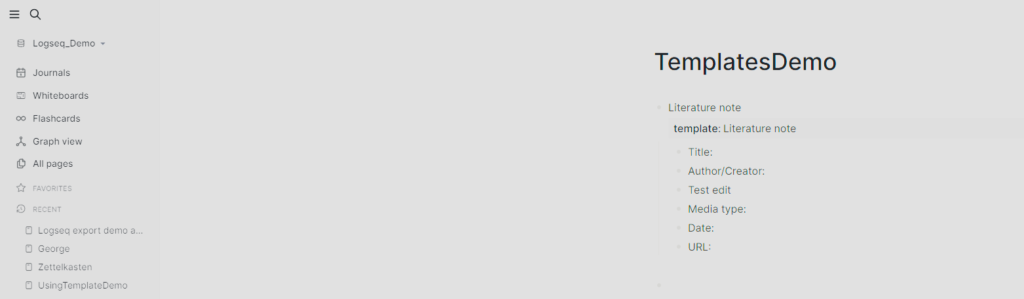
In this guide, I will take you through the process of creating a literature note template in Logseq and the benefits of having templates.

In this article, I explore what information overload is, define what information overload is, and discuss how we can manage it.
In this guide, we will explore the ideas behind Tiago Forte’s PARA, an idea of how to store and manage your digital information and data.

I am sharing my experiences of using personal.ai, which I have been using for several months. What was my experience like?
Personal AI is an Interesting idea, but is it any good? Read More »
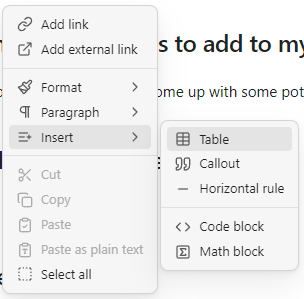
This guide will take you through the process of creating a new table and editing the layout of an existing table.