

What writing costs us
The oldest objection to writing was that it would make us forget. It was right. We made that trade so long ago we stopped noticing, which matters, because AI is offering us another one.
The oldest objection to writing was that it would make us forget. It was right. We made that trade so long ago we stopped noticing, which matters, because AI is offering us another one.
Speaking arrives on its own. Reading has to be taught, every time. Post 1 of the Writing as a Technology series asks why that difference matters, and why writing was invented by accountants.

I stopped doing long division the day I got a calculator. Technical debt has a cognitive twin, and generative AI makes it far easier to run up. What should we still do ourselves?
Cognitive Debt: The Real Cost of Offloading to AI Read More »
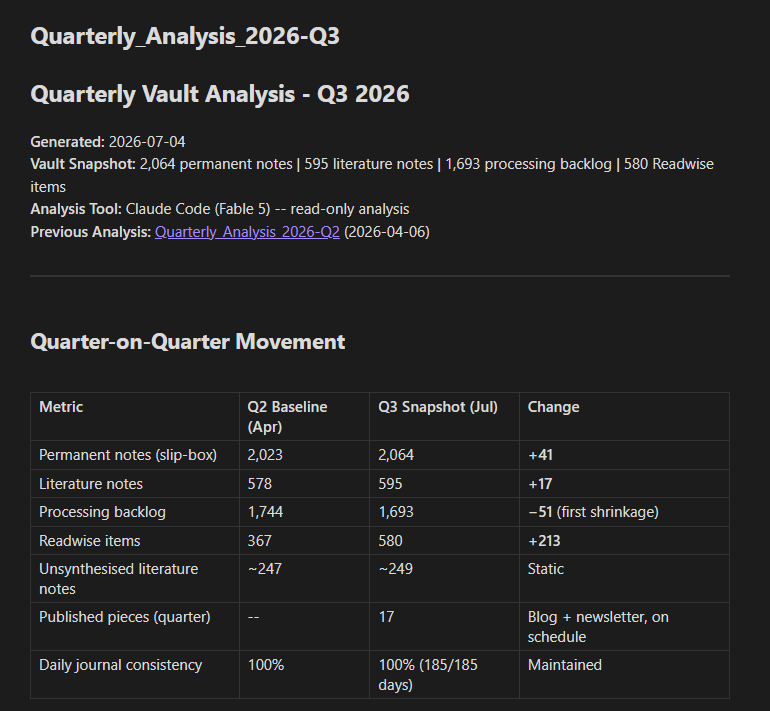
Three months on from my first vault analysis, I ran the numbers again. The backlog shrank for the first time, the Readwise pile grew, and Claude found gaps I had not noticed. Here is what changed.
Quarterly Vault Review: What Changed in My Zettelkasten Read More »

A research paper on Cognitive Mirror Syndrome got me questioning whether AI mirrors us as individuals or as a species, and what that means for how we use it.
Cognitive Mirror Syndrome: Should We Be Concerned? Read More »
The final post in my Exponential Age series: what you can actually control when it comes to protecting your cognitive abilities as AI accelerates around you.
How to Protect Your Cognitive Abilities in the AI Age Read More »
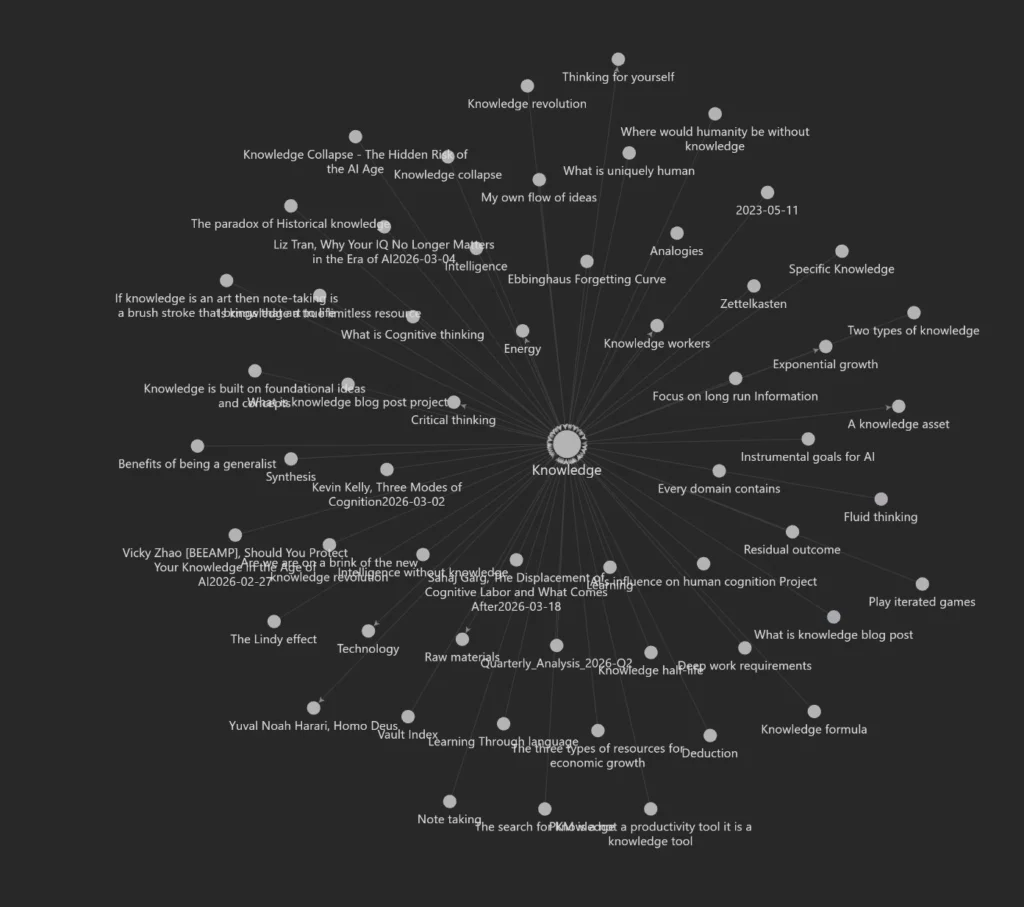
I used to think I knew what knowledge was. Exploring it through my Zettelkasten changed that – and raised bigger questions about AI and what we risk losing.
What Is Knowledge? Types, Assets, and the AI Problem Read More »
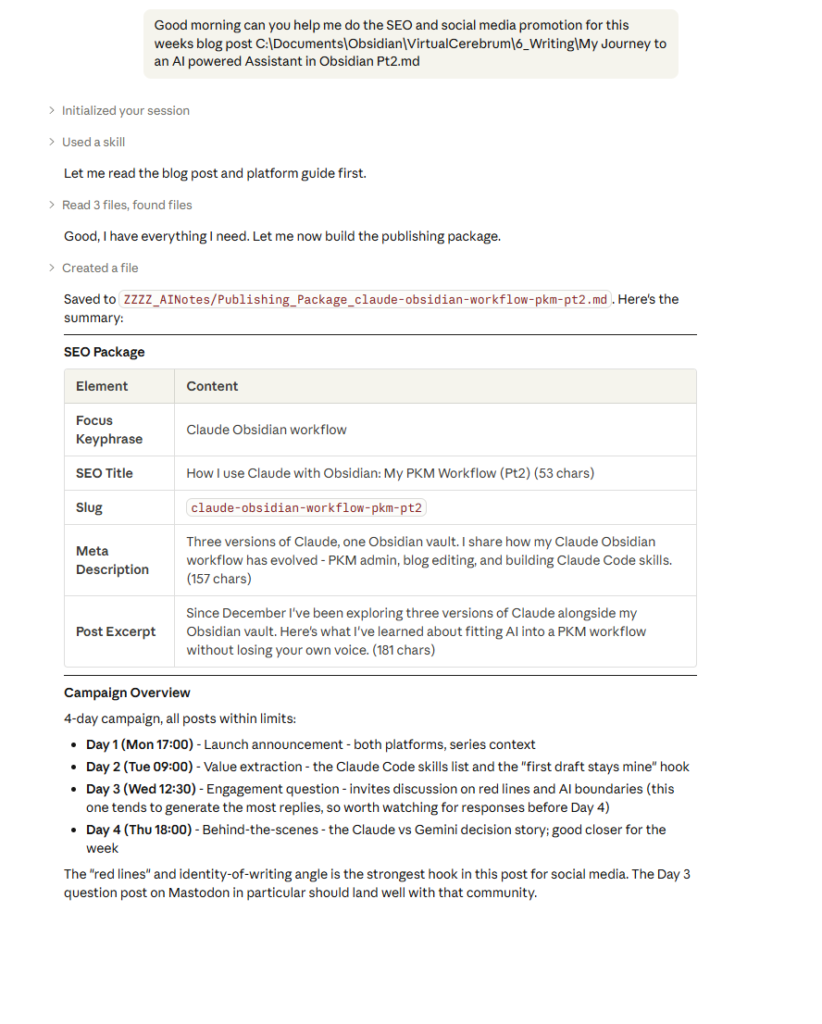
What if your AI assistant knew as much about you as your journal does? I’ve been exploring how to give Claude access to my Obsidian vault – here’s what works.
AI PKM Integration: Give Your Assistant Real Context Read More »
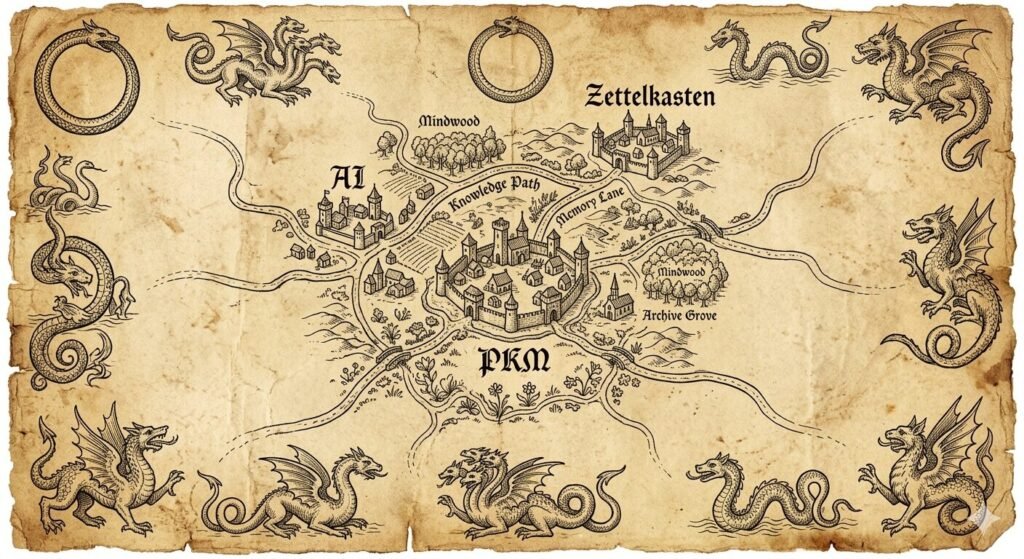
We often talk about what we know. But what about the boundary between what we know and what we don’t? Frontier mapping your PKM helps you find it and decide where to explore next.
Frontier Map Your PKM to Find Your Knowledge Gaps Read More »
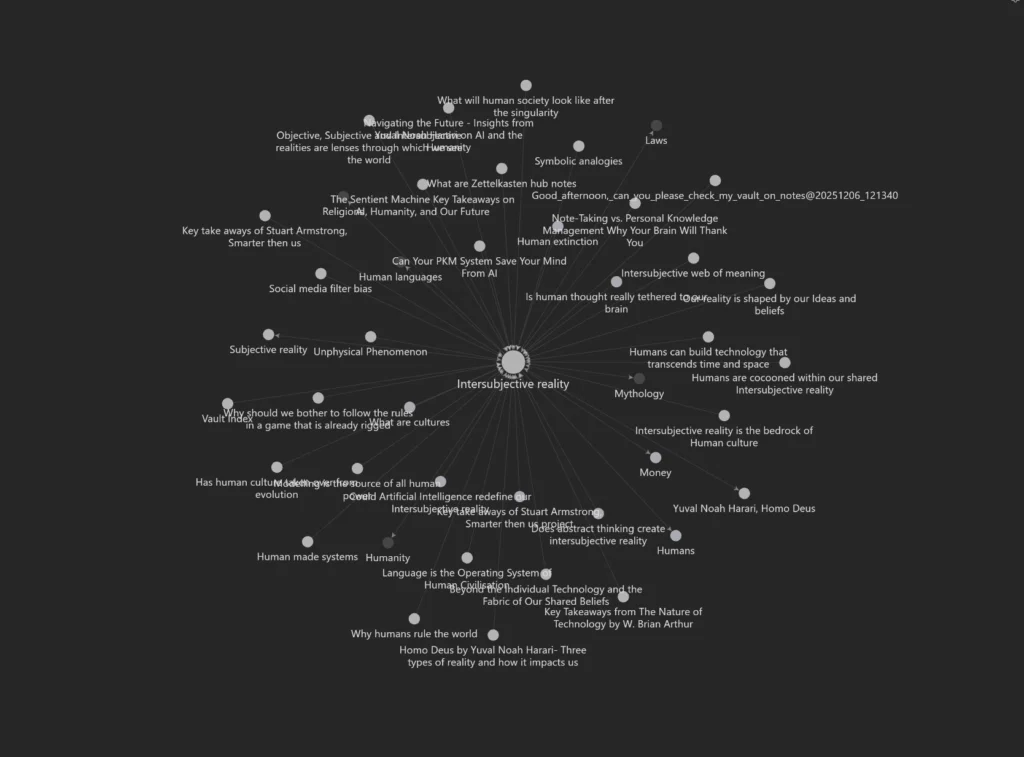
What if your Zettelkasten could show you what you actually care about? Hub notes do exactly that – emerging organically from your links to reveal unexpected knowledge clusters.
Zettelkasten Hub Notes: Discover Your Knowledge Clusters Read More »